Enhancing Interiors with Wall Skirting: A Functional and Aesthetic Touch
Wall skirting, often referred to as baseboards or kickboards, is a decorative and functional element in interior design that enhances the overall look of a room while providing practical benefits. This seemingly simple addition can significantly impact the ambiance, durability, and cleanliness of a space.
What is Wall Skirting?
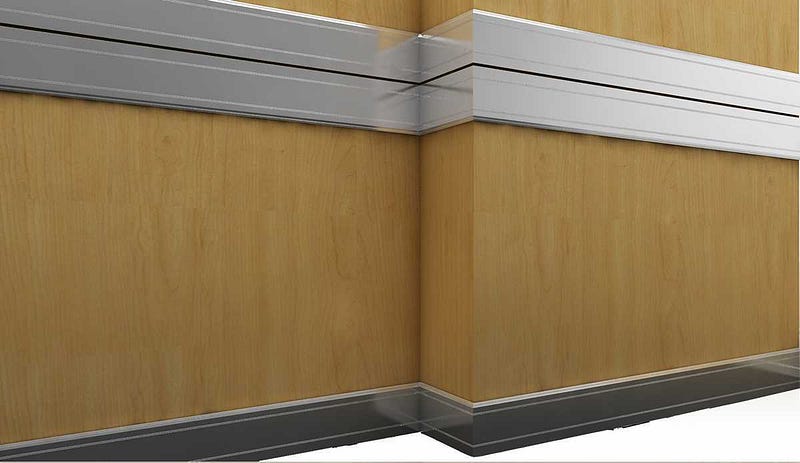
Wall skirting is a strip of material — typically made of wood, MDF, PVC, or metal — installed along the bottom of a wall where it meets the floor. Its primary purpose is to cover the joint between the wall and floor, hiding imperfections and protecting walls from damage caused by furniture, cleaning tools, or foot traffic.
Types of Wall Skirting
Wooden Skirting: Known for its classic appeal, wooden skirting adds warmth and elegance. It is ideal for traditional or rustic interiors.
MDF Skirting: Medium-density fiberboard skirting is cost-effective and versatile, allowing for a range of finishes and designs.
PVC Skirting: Lightweight and water-resistant, PVC skirting is perfect for areas prone to moisture, such as kitchens and bathrooms.
Metal Skirting: With its sleek and modern look, metal skirting is durable and works well in contemporary or industrial spaces.
Benefits of Wall Skirting
Protection: Wall skirting shields walls from scuffs, scratches, and stains caused by furniture or daily activities.
Aesthetic Appeal: It creates a polished look by covering gaps and providing a seamless transition between the wall and floor.
Concealing Wires: Many modern skirting boards are designed to hide electrical cables, ensuring a clean and clutter-free appearance.
Easy Maintenance: Skirting boards are easier to clean and maintain than walls, protecting them from dirt and grime buildup.
How to Choose the Right Wall Skirting?
When selecting wall skirting, consider the following factors:
Material: Choose a material that complements your room’s style and meets your durability needs.
Height: Taller skirting boards add grandeur to spacious rooms, while shorter ones are suitable for smaller spaces.
Color and Finish: Opt for colors and finishes that harmonize with your walls and flooring. Contrasting colors can create a bold statement.
Style: From simple designs to ornate patterns, select a style that aligns with your interior theme.
Installation Process
Installing wall skirting is relatively straightforward and can be done as a DIY project or by hiring a professional. The process involves:
Measuring the room’s perimeter.
Cutting skirting boards to size.
Attaching the boards to the wall using adhesives, screws, or nails.
Filling gaps and painting or finishing as required.
Modern Trends in Wall Skirting
Today, wall skirting is not just functional but also a design statement. Contemporary trends include:
- Illuminated Skirting: Incorporating LED lights for a sleek and futuristic look.
- Textured Skirting: Using patterns or grooves for added depth and character.
- Contrasting Colors: Bold skirting colors that stand out against neutral walls.
Conclusion
Wall skirting Dubai is a small detail with a big impact. By combining functionality and style, it protects walls while enhancing the overall interior design. Whether you prefer classic wooden baseboards or modern PVC skirting, incorporating this feature into your home or office is a smart choice for a refined and long-lasting finish.


Comments
Post a Comment