Transforming Spaces with Wall Cladding: A Comprehensive Guide
Wall cladding has emerged as a versatile and aesthetic solution for transforming both interior and exterior spaces. This architectural feature not only enhances the appearance of a structure but also provides functional benefits such as insulation, durability, and protection. Whether you are renovating your home, designing a commercial space, or upgrading a public structure, wall cladding offers a multitude of options to suit diverse needs and styles.
What is Wall Cladding?
Wall cladding refers to the application of a material over a wall to provide a protective or decorative layer. This layer serves as an extra skin, offering additional benefits such as weather resistance, insulation, and improved aesthetics. Cladding materials can be natural, like stone and wood, or synthetic, such as vinyl and metal composites.
Types of Wall Cladding
Wall cladding comes in various materials, each catering to specific requirements and design preferences. Here are some popular types:
Stone Cladding
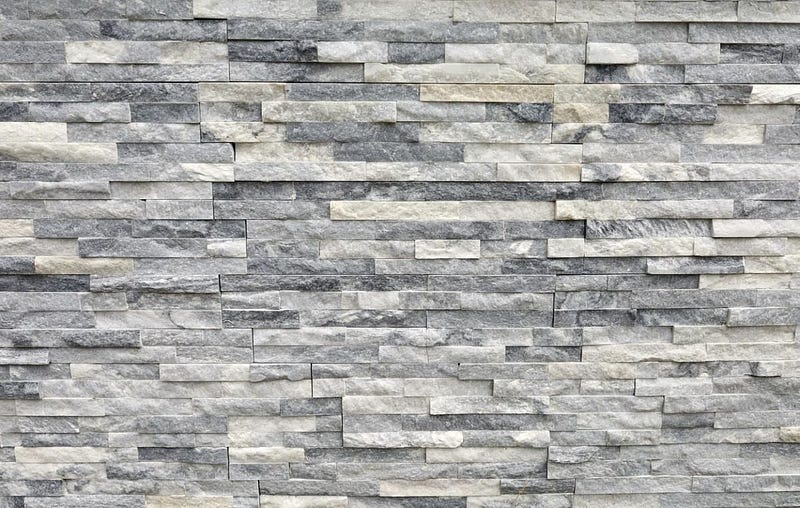
Natural stone, such as granite, marble, or slate, adds a timeless and luxurious appeal to walls. It is durable, weather-resistant, and ideal for both indoor and outdoor applications.
Wooden Cladding
Wooden panels create a warm and rustic ambiance. Available in different finishes, wooden cladding is often used for interior walls to achieve a cozy and natural look.
Vinyl Cladding
Lightweight and affordable, vinyl cladding is popular for exterior walls. It offers excellent weather resistance, low maintenance, and a variety of colors and textures.
Metal Cladding
Typically made of aluminum or steel, metal cladding is sleek, durable, and modern. It is commonly used for commercial and industrial buildings.
Brick Cladding
Brick veneers or tiles provide the appearance of traditional brick walls without the weight. This type of cladding is great for creating an urban or vintage aesthetic.
Glass Cladding
Glass panels offer a contemporary and sophisticated look, especially for high-rise buildings and modern interiors. They also allow natural light to penetrate spaces, enhancing energy efficiency.
Composite Panels
Made from a combination of materials like aluminum, plastic, and wood fibers, composite cladding is lightweight, durable, and versatile.
Benefits of Wall Cladding
Wall cladding provides several advantages, making it a popular choice among architects, builders, and homeowners.
- Aesthetic Appeal: Cladding adds texture, color, and character to walls, significantly enhancing their visual appeal.
- Durability: Many cladding materials are resistant to weather, UV rays, and wear and tear, ensuring a long lifespan.
- Insulation: Cladding offers thermal and acoustic insulation, contributing to energy efficiency and noise reduction.
- Low Maintenance: Certain materials, like vinyl and metal, require minimal upkeep compared to painted or plastered walls.
- Protection: Cladding acts as a shield against environmental elements, reducing the risk of structural damage.
Applications of Wall Cladding
Wall cladding is widely used in various settings, including:
- Residential Spaces: To add charm and protection to home exteriors and interiors.
- Commercial Buildings: For a modern and professional appearance.
- Public Structures: To enhance durability and withstand high traffic.
- Outdoor Spaces: Such as patios and garden walls, for a cohesive design.
Choosing the Right Cladding Material
Selecting the ideal cladding material depends on factors such as budget, climate, and desired aesthetics. For instance, stone or brick cladding works well in cold regions for insulation, while metal and glass suit contemporary designs in urban areas.
Conclusion
Wall cladding Dubai is more than just a decorative feature; it’s an investment in durability, functionality, and style. With a plethora of materials and designs to choose from, it’s easy to find an option that aligns with your vision. Whether you aim to create a bold architectural statement or a cozy interior, wall cladding is the perfect solution to redefine your spaces.


Comments
Post a Comment