Wooden Flooring: A Timeless Classic for Your Home
Wooden flooring has been a symbol of sophistication and durability for centuries. Whether in historic castles or modern homes, wood has always been revered for its natural beauty, warmth, and elegance. Today, wooden flooring remains one of the most popular choices for homeowners seeking a timeless and versatile solution for their living spaces. In this blog, we will explore the benefits, types, installation process, and maintenance tips for wooden flooring.
The Benefits of Wooden Flooring
One of the most significant advantages of wooden flooring is its aesthetic appeal. The rich colors and natural grain patterns of wood create a warm and inviting atmosphere that complements almost any interior design style, from traditional to contemporary. Wood can bring out the beauty of any room, adding character and sophistication.
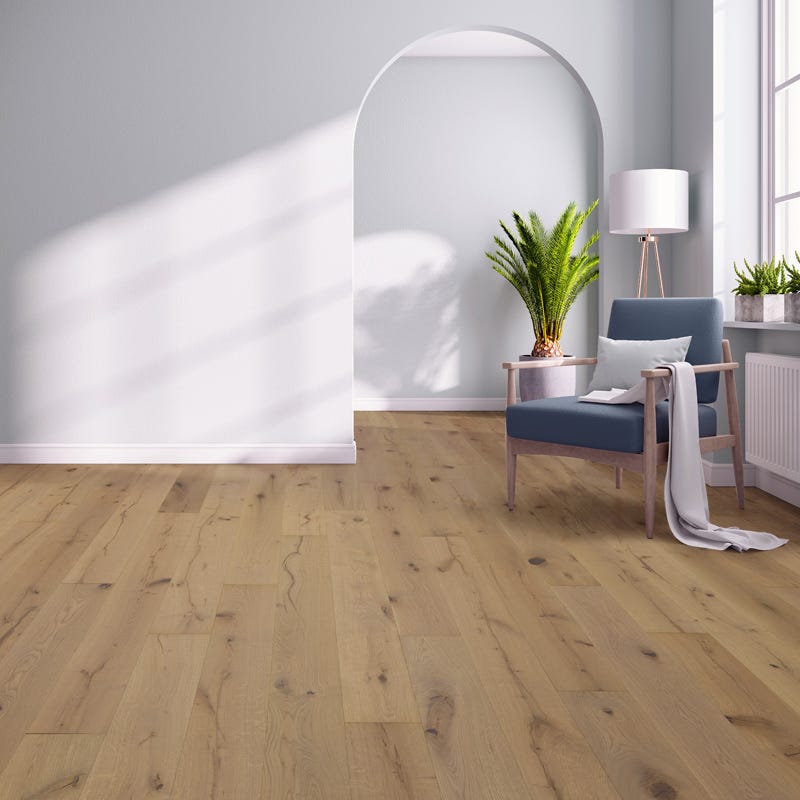
Another benefit is durability. Wooden floors are known for their longevity. When properly cared for, hardwood floors can last a lifetime. They are resistant to wear and tear, and unlike carpet, they do not harbor dust, dirt, or allergens, making them an excellent choice for people with respiratory conditions.
Wooden flooring is also environmentally friendly. Wood is a renewable resource, and many manufacturers source their materials from sustainable forests. Additionally, wood can be refinished multiple times, allowing you to restore its beauty without the need for complete replacement.
Types of Wooden Flooring
When it comes to wooden flooring, there are several options to consider, each with unique characteristics:
Solid Hardwood Flooring: This is the classic choice for wooden floors. Made from a single piece of wood, solid hardwood is available in various species, including oak, maple, and cherry. It offers exceptional durability and can be sanded and refinished over time.
Engineered Hardwood Flooring: Engineered wood is made by layering thin slices of hardwood over a plywood base. This type of flooring is more resistant to moisture and temperature changes, making it an ideal choice for areas like basements and kitchens.
Laminate Flooring: Laminate wood flooring is a cost-effective alternative to traditional hardwood. It features a photographic layer that mimics the appearance of wood, offering the same aesthetic appeal without the high price tag. Laminate is also more resistant to scratches and stains.
Bamboo Flooring: Bamboo is a sustainable and eco-friendly alternative to traditional hardwood flooring. It is durable and offers a unique look with its natural light color and grain patterns.
Installation Process
Installing wooden flooring requires careful planning and attention to detail. While some homeowners opt for DIY installation, professional installation ensures the best results, especially when dealing with solid hardwood or engineered wood floors. The process generally involves the following steps:
Preparation: The subfloor must be clean, dry, and level before installation. Any imperfections should be addressed to ensure a smooth, even surface.
Acclimation: Wood flooring should be acclimated to the room’s temperature and humidity levels before installation to prevent expansion or contraction after it is laid.
Laying the Planks: Depending on the type of wooden flooring, the planks may be nailed, glued, or clicked into place. Precision is key to achieving a seamless look.
Finishing: Once installed, the floor may require sanding and finishing to enhance its appearance and provide added protection.
Maintenance Tips for Wooden Flooring
Caring for wooden floors is essential to preserving their beauty. Here are a few maintenance tips to keep your wooden flooring in top condition:
Regular Cleaning: Sweep or vacuum your wooden floors regularly to remove dirt and debris. Use a soft microfiber mop to clean the surface without damaging the wood.
Avoid Excess Moisture: Wood is sensitive to moisture, so always wipe up spills immediately. Avoid using excessive water when cleaning.
Refinishing: Over time, hardwood floors may show signs of wear. Refinishing them by sanding and applying a fresh coat of finish can restore their shine and protect them from further damage.
Use Rugs and Mats: Place rugs or mats in high-traffic areas to protect the wood from scratches and scuff marks. Felt pads under furniture can also help prevent damage.
Conclusion
Wooden flooring Dubai remains a top choice for homeowners seeking a combination of style, durability, and sustainability. With its classic appeal and long-lasting performance, wooden floors can elevate any space, from cozy living rooms to elegant dining areas. Whether you opt for solid hardwood, engineered wood, or bamboo, wooden flooring offers timeless beauty that enhances the overall ambiance of your home.


Comments
Post a Comment