Mosque Carpets: A Symbol of Spiritual Serenity and Cultural Identity
Mosque carpets hold a special place in Islamic culture, serving not just as a decorative element but as a functional and spiritual foundation for worshippers. These carpets are designed with specific intentions providing comfort, cleanliness, and a sacred atmosphere for prayer. Whether in grand Mosques carpets like the Sheikh Zayed Grand Mosque in Abu Dhabi or in smaller community mosques across the globe, the mosque carpet is an integral part of the worship experience.
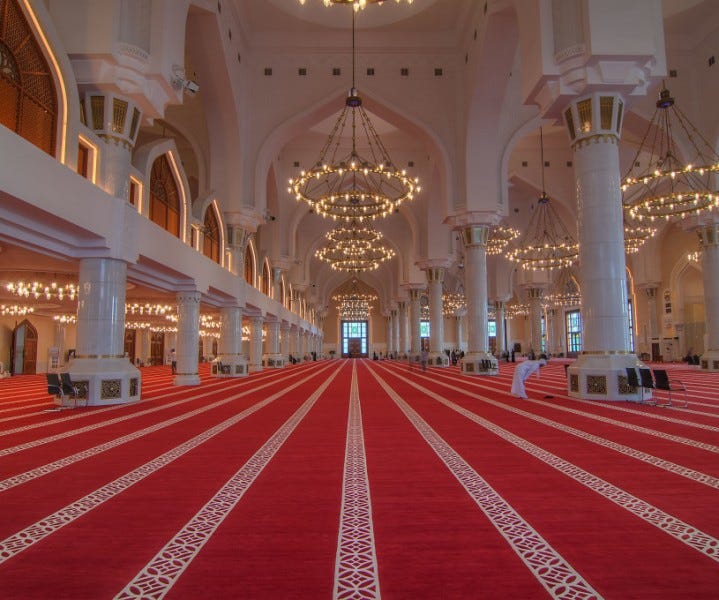
The Role of Mosque Carpets
The primary purpose of a mosque carpet is to offer a clean, comfortable, and dedicated space for prayer. In Islam, cleanliness is essential, especially during prayer. Carpets help maintain hygiene in areas where worshippers kneel, bow, and place their heads on the ground. Unlike ordinary rugs, mosque carpets are designed with worshippers’ needs in mind — thick enough to provide cushioning yet firm enough to support proper posture during prayer.
Most mosque carpets feature marked lines or patterns that indicate the direction of prayer (Qibla), helping worshippers align themselves correctly toward the Kaaba in Mecca. These subtle yet functional design elements reinforce the collective nature of Islamic prayer, where worshippers pray in orderly rows.
Design and Aesthetics
The design of mosque carpets is a unique blend of artistic expression and spiritual symbolism. Rich, vibrant colors like deep reds, blues, and greens are commonly used, reflecting traditional Islamic art. Floral motifs, geometric patterns, and arabesque designs dominate the carpet’s surface, each symbolizing aspects of nature and divine beauty.
However, the designs are intentionally kept free of human or animal figures to adhere to Islamic principles that discourage representational imagery in places of worship. Instead, the focus is on abstract and symmetrical patterns that evoke harmony, peace, and infinity — concepts deeply rooted in Islamic spirituality.
Materials and Durability
Mosque carpets are often made from high-quality materials such as wool, nylon, or polypropylene. Wool is traditionally preferred for its natural softness and durability, but synthetic materials are increasingly used for their affordability and ease of maintenance. Given the high foot traffic in mosques, durability is crucial. These carpets are crafted to withstand years of use while retaining their color and texture.
Additionally, many mosque carpets are treated with stain-resistant and antimicrobial coatings to maintain hygiene. They are typically custom-made to fit the dimensions of a prayer hall precisely, ensuring uniformity and enhancing the visual appeal of the space.
Cultural and Community Significance
Beyond their physical characteristics, mosque carpets play a vital role in uniting communities. Donating a carpet to a mosque is considered a charitable act (sadaqah) and is highly encouraged in Islamic culture. Such contributions often come from individuals or families as a way to earn spiritual merit.
Furthermore, the installation of a new carpet often brings communities together, fostering a shared sense of pride and ownership over their place of worship. It marks moments of renovation, celebration, or growth within a community.
Conclusion
Mosque carpets are more than just flooring; they are a powerful symbol of devotion, unity, and cultural heritage. Their intricate designs, practical features, and spiritual significance make them an essential element in Islamic worship. As places of prayer and reflection, mosques are sanctified through the presence of these Carpets Dubai, creating an environment that encourages tranquility, focus, and a deeper connection with the divine.


Comments
Post a Comment