A Complete Guide to Floor Skirting: Enhancing Functionality and Style
When it comes to finishing touches in interior design, floor skirting often goes unnoticed — but its impact is far from minor. Also known as baseboards or skirting boards, floor skirting is a strip of material installed at the bottom of walls where they meet the floor. It’s a design element that not only boosts the aesthetic appeal of a space but also offers valuable practical benefits. In this blog, we’ll explore everything you need to know about floor skirting — its purpose, types, materials, and design trends.
Why Is Floor Skirting Important?
Floor skirting serves both decorative and functional roles:
Wall Protection: One of the main reasons to install skirting is to protect walls from abrasion, especially in high-traffic areas. It acts as a buffer against furniture, vacuums, and mop handles.
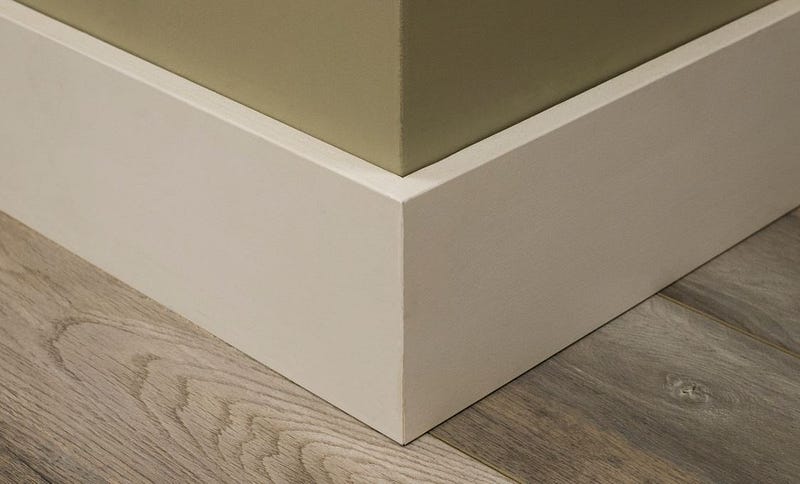
Conceals Gaps and Imperfections: During construction, small gaps often occur between the floor and walls. Skirting hides these imperfections, providing a neat, finished look.
Wire and Cable Management: In modern homes, skirting boards can help conceal unsightly cables and wires, maintaining a clutter-free environment.
Adds a Decorative Element: Available in various styles, colors, and finishes, skirting boards can complement or contrast wall and floor materials, enhancing the overall room design.Common Materials Used in Floor Skirting
Choosing the right material for floor skirting depends on your design preference, budget, and maintenance needs:
MDF (Medium Density Fiberboard): Affordable and easy to paint, MDF skirting is popular in modern homes. It’s suitable for dry areas but should be avoided in moisture-prone spaces.
Wood: Hardwood skirting (like oak, teak, or walnut) adds warmth and elegance. It’s more expensive but offers a premium finish that lasts for years.
PVC and Vinyl: These are moisture-resistant and ideal for bathrooms and kitchens. They are also lightweight and easy to install.
Tile or Stone Skirting: These are often used in commercial buildings or high-end homes for a seamless transition between the floor and wall.
Popular Skirting Styles
The design of the skirting can dramatically influence the room’s visual feel:
Plain Skirting: Simple and modern, this type is perfect for minimalistic interiors.
Grooved or Stepped Skirting: Adds depth and character; often used in transitional interiors.
Colonial or Decorative Skirting: With intricate detailing, these are ideal for classic or vintage themes.
Tips for Choosing the Right Skirting
Match Your Flooring: Choose a material or finish that complements your floor for a cohesive look.
Consider Room Function: Use water-resistant materials in kitchens and bathrooms.
Height Matters: Standard skirting is 4 to 6 inches high, but you can go taller for more dramatic effect in larger rooms.
Color Coordination: Match skirting with the wall for a seamless look, or contrast it with the floor for a bold design statement.
Final Thoughts
Floor Skirting Dubai may seem like a small design detail, but its functional and decorative benefits make it a vital component of interior design. Whether you prefer a sleek, modern look or a more traditional finish, choosing the right skirting can elevate the entire space. Take the time to select quality materials and styles that suit your home — and you’ll enjoy both enhanced durability and style.


Comments
Post a Comment