A Complete Guide to Wall Skirting: Elevating Interior Design with Functional Elegance
Wall skirting, also known as baseboard or skirting board, is an essential yet often overlooked detail in interior design. It is the narrow wooden, vinyl, or PVC panel that runs along the base of interior walls. While many may think of wall skirting as a purely decorative feature, its practical benefits are just as important as its visual appeal. From protecting walls from damage to enhancing the overall aesthetic of a room, wall skirting serves both functional and decorative purposes.
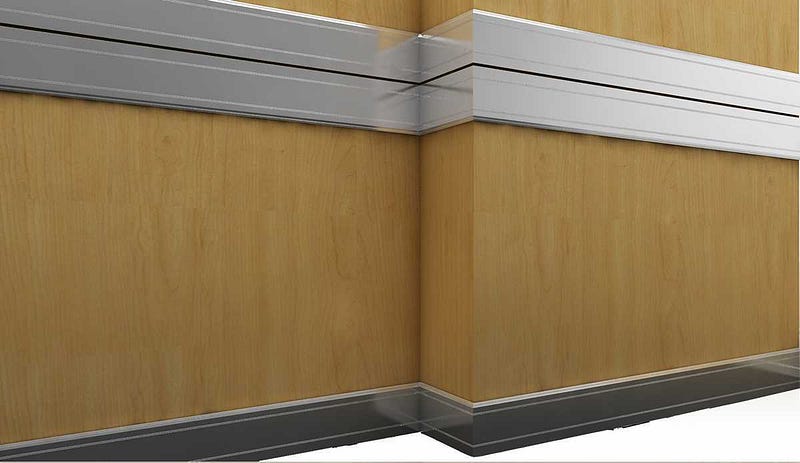
What is Wall Skirting?
Wall skirting acts as a transitional element between the wall and the floor. It is typically installed where the floor meets the wall and serves to cover any gaps or imperfections in this junction. Skirting boards come in various materials, such as MDF, wood, PVC, and even metal, each with its own distinct advantages and design styles. With a wide range of colors, profiles, and finishes available, wall skirting can complement any interior décor, from modern minimalism to classic elegance.
Functional Benefits of Wall Skirting
Wall Protection: One of the primary roles of wall skirting is to protect walls from scuffs, furniture damage, and vacuum cleaners. Especially in high-traffic areas like hallways and living rooms, skirting prevents unsightly marks and scratches along the bottom of walls.
Concealment of Gaps and Wiring: Skirting is excellent for hiding the joint between the wall and the floor, which may not always be perfectly straight or smooth. Additionally, hollow skirting boards can be used to conceal electrical wiring, offering a neater, more organized space.
Enhanced Cleanliness: Skirting prevents dust and debris from accumulating in the corners where the wall meets the floor. This makes cleaning easier and helps maintain a more hygienic environment.
Aesthetic Appeal and Design Variety
Wall skirting adds depth and dimension to a room, acting like a visual anchor that frames the space. In modern homes, sleek and minimalist skirting styles are popular, while traditional interiors may feature more ornate designs with intricate molding.
Homeowners and interior designers can choose from a wide range of materials and colors to match or contrast with the floor or wall paint. For instance, white skirting on dark walls can create a bold contrast, while matching tones offer a seamless, blended appearance.
Popular Types of Skirting
Wooden Skirting: Offers a classic, warm look. Ideal for traditional or rustic themes.
MDF Skirting: Budget-friendly and easy to paint or customize.
PVC Skirting: Moisture-resistant, perfect for kitchens, bathrooms, or humid environments.
Metal Skirting: Durable and modern, suitable for industrial or commercial settings.
Conclusion
Wall Skirting Dubai is more than just a finishing touch — it plays a vital role in both protecting and enhancing the interior of a space. Whether you’re remodeling your home or designing a new one, incorporating the right type of skirting can significantly elevate the appearance and durability of your interiors. By selecting the proper material, height, and color, you can seamlessly blend function and style to create a refined, complete look for any room.


Comments
Post a Comment