Choosing the Right Gym Flooring: Safety, Durability & Performance
When it comes to designing a fitness space, gym flooring is often overlooked — but it plays a critical role in ensuring safety, durability, and performance. Whether you’re setting up a commercial gym, home workout room, or fitness studio, the right flooring can significantly enhance both the functionality and aesthetics of your space.
Importance of Gym Flooring
Gym flooring acts as a foundation for your workouts. It absorbs impact, reduces injury risks, protects the subfloor from heavy equipment, and provides grip for intense movements. Without the proper flooring, even the best exercise equipment won’t deliver its full potential — and more importantly, users might be at risk of slipping or injury.
Key Features to Consider
Shock Absorption
Good gym flooring cushions joints and muscles during high-impact exercises like jumping, lifting, or running. This helps in reducing the strain on ankles, knees, and hips, making workouts safer and more comfortable.
Slip Resistance
Sweat and moisture are common in gym environments. Flooring with anti-slip properties prevents falls and offers stable footing during fast-paced or weight-bearing activities.
Durability
From dropped weights to constant foot traffic, gym flooring must be tough. High-quality materials resist wear and tear, maintaining performance and appearance over time.
Sound and Vibration Control
Dropping weights or using treadmills generates noise and vibrations. Proper flooring helps dampen these, creating a quieter and more focused workout atmosphere — especially important in shared or residential spaces.
Easy Maintenance
Gym flooring should be easy to clean and maintain. Materials that resist moisture, bacteria, and odor are ideal for hygiene and longevity.
Popular Gym Flooring Options
Rubber Flooring
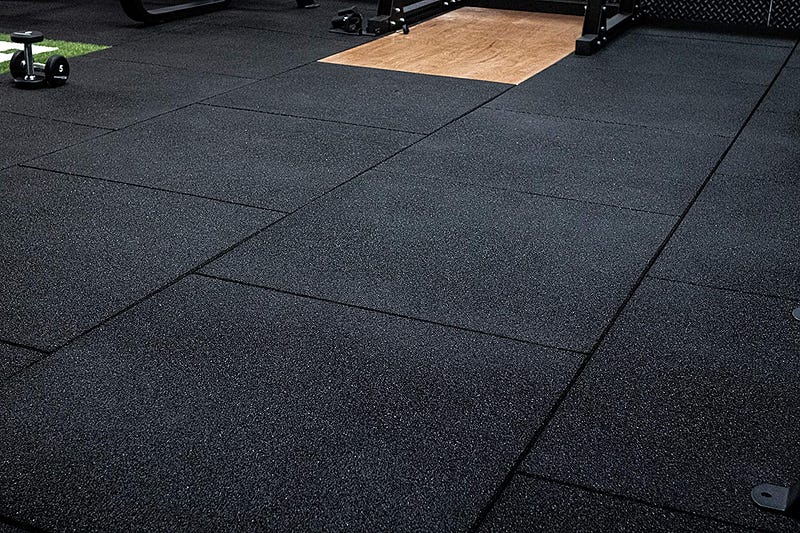
Rubber is the most popular choice for gyms. It’s durable, slip-resistant, shock-absorbent, and easy to install. Available in tiles, rolls, or mats, rubber flooring suits both home and commercial gyms.
Foam Tiles
Best for light workouts like yoga, Pilates, or bodyweight exercises, foam tiles offer comfort and cushioning. However, they may not withstand heavy weights as well as rubber.
Vinyl Flooring
Vinyl offers a sleek look with good resistance to moisture and stains. It’s suitable for cardio areas or group fitness studios but may need additional support under heavy equipment.
Turf Flooring
Artificial turf is ideal for sled pushes, agility drills, or functional training zones. It adds versatility and a unique aesthetic to any gym setup.
Installation Tips
Measure the Area: Always calculate the square footage before purchasing materials.
Choose the Right Thickness: Heavier workouts require thicker flooring (10mm to 20mm), while light fitness activities can go with thinner options.
Secure Edges and Seams: Properly installed flooring prevents trips, curling, or movement during exercise.
Consider Subflooring: For extra cushioning or soundproofing, add a subfloor layer beneath the main flooring.
Conclusion
Gym Flooring Dubai is more than just a surface — it’s an essential component of a safe, efficient, and motivating workout space. By investing in the right type of flooring, you enhance user comfort, protect your equipment, and extend the life of your gym environment. Whether you’re a fitness enthusiast or a gym owner, don’t overlook the ground you train on — it’s the first step toward success.


Comments
Post a Comment