The Timeless Elegance of Persian Rugs: A Legacy of Art and Craftsmanship
Persian rugs are more than just floor coverings — they are masterpieces that weave centuries of culture, tradition, and craftsmanship into every intricate knot. Revered globally for their beauty, durability, and uniqueness, Persian rugs remain a symbol of luxury and heritage in homes around the world. From royal palaces to contemporary interiors, these rugs add a touch of timeless elegance that few other décor elements can match.
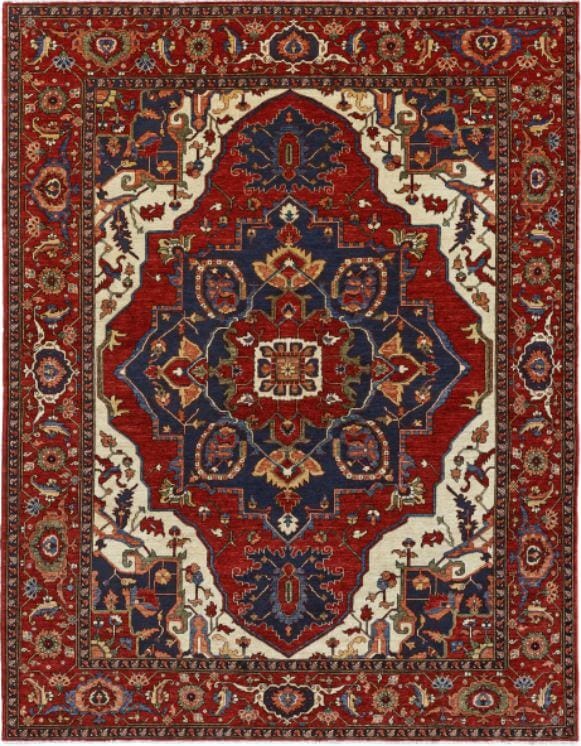
A Rich History
The art of Persian rug-making dates back more than 2,500 years, with Iran (formerly Persia) considered the birthplace of this iconic craft. Historically, Persian rugs were created by nomadic tribes, villages, and royal workshops, each with its own distinctive style. These rugs were not just used for practical purposes but also served as family heirlooms, expressions of regional identity, and valuable trade commodities.
Each rug tells a story, inspired by mythology, nature, poetry, and religious symbolism. Passed down through generations, these designs have evolved while retaining the essence of Persian aesthetics — floral patterns, medallions, garden motifs, and intricate borders that often symbolize paradise and unity.
Materials and Techniques
The allure of Persian rugs lies in their craftsmanship. Hand-knotted using natural materials such as wool, silk, or cotton, these rugs can take months — even years — to complete, depending on their size and complexity. Wool is the most common material, prized for its softness and durability. Silk rugs, though more delicate, are celebrated for their sheen and fine detailing.
The knot density (measured in knots per square inch) is a major factor in a rug’s quality and value. High-density rugs boast remarkable detail and resilience, often lasting for generations with proper care.
Regional Styles and Signatures
Persian rugs are often named after the city or region where they are made — each area offering unique characteristics. For example:
Tabriz rugs are known for their elaborate medallion designs and fine knotting.
Isfahan rugs feature symmetrical designs with floral and garden motifs.
Kashan rugs are famous for their luxurious feel and deep, rich colors.
Qom rugs, often made of silk, are exceptionally detailed and prized as collectible art pieces.
Nain rugs blend subtle colors with delicate patterns, often using a wool-silk mix.
Each region has its own weaving techniques, dyes, and motifs, resulting in a vast and fascinating diversity of styles within Persian rug-making.
Decorating with Persian Rugs
Persian rugs are versatile and can elevate a variety of interiors — from traditional to modern. Their vivid colors and intricate patterns can anchor a room, add warmth, or serve as a striking centerpiece. When used thoughtfully, they complement both minimalistic and richly decorated spaces, bringing a sense of harmony and history.
Whether placed under a dining table, in a living room, or hung as a tapestry, Persian rugs offer an unmatched aesthetic value.
Investing in Art
A genuine Persian rug is not just a décor item; it’s an investment in art and tradition. With proper care — regular cleaning, rotation, and protection from direct sunlight — these rugs can last a lifetime and often increase in value.
In a world dominated by machine-made textiles, Persian Rugs Dubai stand as a testament to the enduring appeal of handmade craftsmanship. They represent a rich cultural legacy that continues to inspire awe and admiration across generations and geographies.


Comments
Post a Comment