Wall Cladding: Transforming Walls with Style and Functionality
Wall cladding is an increasingly popular architectural feature that enhances the aesthetics and functionality of both interior and exterior walls. It involves applying one material over another to provide a decorative and protective layer. Whether you’re designing a luxurious home, renovating a commercial space, or enhancing a building façade, wall cladding offers a variety of stylish, durable, and cost-effective solutions.
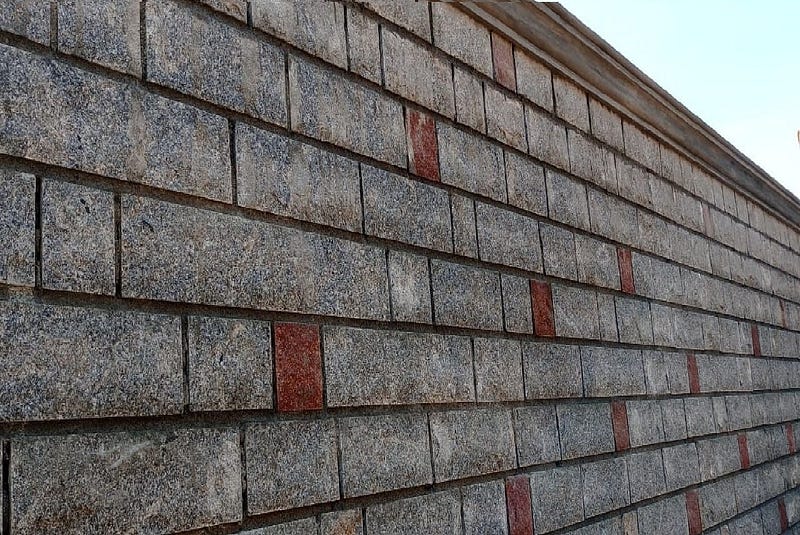
What is Wall Cladding?
Wall cladding refers to the process of covering a wall with materials like wood, stone, brick, metal, vinyl, or composite panels. It acts as a skin for the wall, providing protection from weather elements while also enhancing its visual appeal. Cladding can be installed on both interior and exterior walls and is often used to create feature walls, improve insulation, or add texture and character to a space.
Types of Wall Cladding Materials
Wooden Cladding
Wood is a timeless choice for wall cladding, offering a natural and warm aesthetic. It’s commonly used in modern homes and traditional buildings alike. Wood panels, shiplap, and reclaimed timber can be installed horizontally, vertically, or in patterns to achieve various looks.
Stone Cladding
Stone cladding exudes luxury and elegance. It’s perfect for both interior feature walls and exterior facades. Popular choices include slate, sandstone, marble, and granite. Stone cladding is durable, weather-resistant, and adds significant value to a property.
Brick Cladding
Exposed brick walls are a popular design trend, especially in industrial-style interiors. Brick cladding allows homeowners to achieve this look without the need for full brick walls. Thin brick veneers or tiles mimic the appearance of solid brickwork.
Metal Cladding
Metal wall cladding, such as aluminum or steel, is often used in commercial and industrial buildings for its modern and sleek appearance. It’s lightweight, corrosion-resistant, and requires minimal maintenance.
Vinyl and PVC Cladding
Affordable and low-maintenance, vinyl and PVC cladding are widely used for both residential and commercial projects. They come in a variety of colors and textures, making them a versatile choice for exterior wall protection.
Benefits of Wall Cladding
Aesthetic Appeal
Wall cladding significantly enhances the appearance of a building, creating texture, depth, and visual interest. It can transform a dull wall into a standout design feature.
Durability
Cladding materials are designed to withstand harsh environmental conditions. They protect the structure from rain, wind, sun, and temperature changes, reducing wear and tear.
Insulation and Energy Efficiency
Cladding can improve a building’s thermal insulation, helping maintain indoor temperatures and reducing energy costs.
Low Maintenance
Most cladding materials require little maintenance. Stone, metal, and vinyl claddings are particularly known for their long lifespan and minimal upkeep.
Noise Reduction
Certain types of cladding, such as wood or composite panels, can provide acoustic insulation, making interiors quieter and more comfortable.
Conclusion
Wall cladding is more than just a decorative layer; it’s a smart investment that brings lasting beauty and protection to any space. With a wide range of materials, textures, and styles available, homeowners and designers have endless possibilities to express their creativity. Whether for interior ambiance or exterior resilience, Wall Cladding Dubai is a key element in modern architectural design.


Comments
Post a Comment