Sports Vinyl Flooring: Durable, Safe, and Smart Choice for Modern Spaces
Sports vinyl flooring has become a top choice in gyms, indoor courts, fitness studios, and multipurpose halls. Its durability, safety features, and ease of maintenance make it stand out against other flooring types. Whether you’re planning a professional sports facility or a community recreation center, this flooring option offers long-lasting performance and comfort.
Advantages of Sports Vinyl Flooring
Shock absorption — Protects athletes by reducing impact on joints during running, jumping, or high-intensity workouts.
Slip resistance — Ensures safe movement even during fast-paced activities.
Durability — Designed to withstand heavy equipment, high foot traffic, and constant use.
Acoustic performance — Minimizes noise in busy spaces, creating a more comfortable environment.
Easy maintenance — Simple cleaning methods extend its lifespan and keep surfaces hygienic.
Compared to traditional wooden sports floors, it delivers excellent resilience without requiring extensive upkeep.
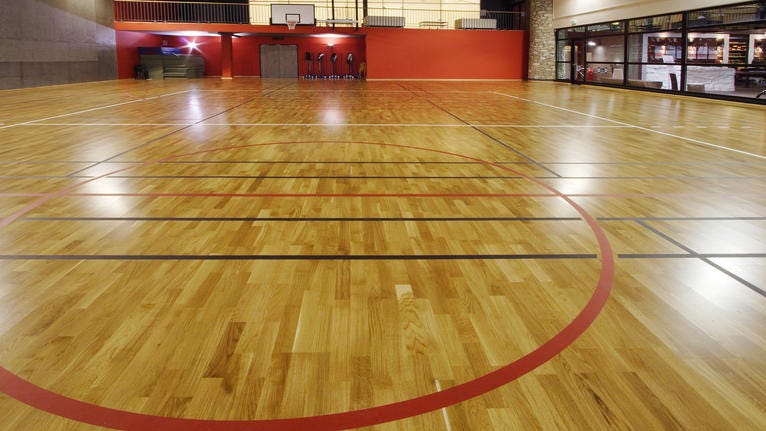
Common Applications
You can find sports vinyl flooring in a wide range of settings:
Indoor sports courts for basketball, badminton, and volleyball.
Fitness studios for yoga, aerobics, or dance.
School gyms where safety and durability are key.
Multipurpose halls that host both events and physical activities.
Rehabilitation centers where cushioned support is essential.
This versatility makes it suitable for spaces that demand both performance and adaptability.
How It Compares with Other Flooring Options
When choosing flooring, you might also consider parquet flooring, LVT flooring, SPC Flooring, or laminate flooring. Each has its own advantages, but sports vinyl flooring holds a unique place for athletic and high-performance spaces.
Parquet flooring: Offers a classic look and natural wood finish, often used in traditional gymnasiums and sports halls. While elegant, it requires more maintenance than vinyl.
LVT flooring: Known for realistic designs and comfort underfoot, LVT is great for residential or commercial spaces but may not provide the same shock absorption as vinyl sports flooring.
SPC Flooring: Highly durable and waterproof, SPC Flooring is an excellent option for areas with moisture. Still, it lacks the flexibility and cushioning athletes need during high-impact sports.
Laminate flooring: Affordable and easy to install, laminate works well in casual or home setups but isn’t built for the demands of sports environments.
By comparison, sports vinyl flooring balances performance, safety, and easy care, making it the smarter choice for athletic facilities.
Maintenance Tips
Keeping sports vinyl flooring in good condition doesn’t require much effort, but consistency is key:
Sweep or vacuum daily to remove dust and dirt.
Mop with a neutral pH cleaner to avoid surface damage.
Wipe spills immediately to prevent stains.
Avoid harsh chemicals or abrasive cleaning tools.
Schedule professional cleaning periodically for deep maintenance.
These steps help extend the lifespan of the floor while ensuring it remains safe for athletes and users.
Why Sports Vinyl Flooring Is a Smart Choice
Sports vinyl flooring stands out because it combines safety, strength, and versatility in one solution. Unlike alternatives such as parquet flooring, LVT flooring, SPC Flooring, and laminate flooring, it is specifically engineered for athletic use.
Facilities save on long-term costs thanks to low maintenance.
Athletes benefit from reduced risk of injury.
Owners get a surface that looks professional and performs reliably.
Spaces can easily adapt from hosting a sports event to a community gathering.
If you want flooring that delivers comfort, resilience, and practicality in high-demand environments, sports vinyl flooring is worth considering.


Comments
Post a Comment